
Table of Contents
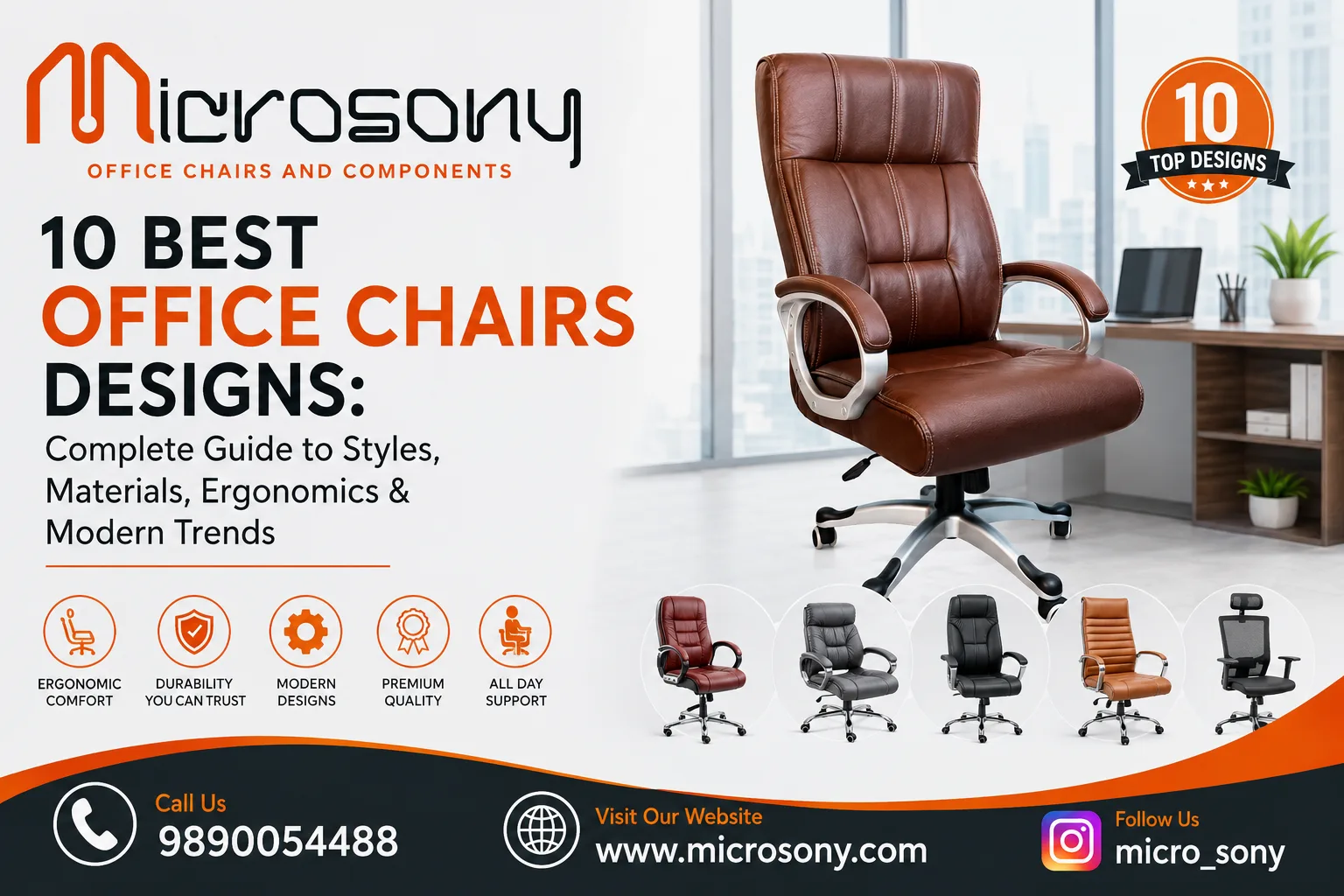
Office Chairs Designs: Complete Guide to Modern Comfort, Styles & Workplace Ergonomics
Introduction
Modern workplaces are evolving rapidly, and furniture plays a major role in shaping employee comfort, productivity, and overall office aesthetics. Among all office furniture elements, seating solutions have the most direct impact on daily performance, posture, and long-term health. Well-planned office chairs designs improve spinal alignment, reduce fatigue, and enhance concentration throughout long working hours, making them a critical part of any professional environment.
In today’s corporate offices, startups, and home workspaces, businesses are increasingly focused on creating ergonomic and visually appealing seating arrangements. Modern office chairs designs are no longer limited to basic functionality; they now combine comfort, style, and advanced ergonomic features that support both health and productivity. A well-designed chair not only improves employee efficiency but also contributes to a more organized and professional-looking workspace.
Stylish and functional office chairs designs have become an essential requirement in modern work culture. Organizations understand that employees spend long hours sitting, which makes comfort and support a top priority. Poor seating can lead to discomfort, back pain, and reduced productivity, while high-quality designs help maintain energy levels and improve overall work performance.
With a wide variety of materials, structures, and ergonomic innovations available today, choosing the right seating style has become an important decision for both businesses and individuals. From mesh ergonomic models to premium executive seating, modern office chairs designs offer solutions for every workspace need, ensuring the perfect balance between comfort, durability, and aesthetics.
Importance of Modern Office Seating Styles
The design of office seating directly influences workplace efficiency, employee comfort, and long-term health. In modern workplaces, well-planned office chairs designs play a key role in ensuring that employees can perform their tasks efficiently without experiencing physical discomfort or fatigue. Poor seating arrangements can lead to back pain, reduced concentration, and lower productivity, while ergonomic and thoughtfully designed seating solutions support healthy posture and sustained performance throughout long working hours.
A well-planned seating setup based on modern office chairs designs helps create a more balanced and productive work environment. When employees are provided with properly structured chairs that support the spine and encourage correct sitting posture, it significantly reduces strain on the neck, shoulders, and lower back. This not only improves physical well-being but also enhances focus and mental clarity during work tasks.
Additionally, good office chairs designs contribute to improved workplace aesthetics. A well-designed seating arrangement adds a professional and organized look to office interiors, making the environment more welcoming for both employees and visitors. In corporate settings, appearance matters as much as functionality, and modern chair designs help achieve both goals effectively.
A well-structured seating system helps to:
- Maintain proper spinal alignment during long working hours
- Reduce physical strain, fatigue, and discomfort
- Improve workplace focus and overall productivity
- Enhance the professional appearance of office interiors
- Support long-duration sitting tasks with better comfort
Because of these advantages, organizations are now prioritizing advanced office chairs designs that combine ergonomics, durability, and style. Businesses understand that investing in better seating solutions leads to healthier employees, improved efficiency, and a more positive work environment overall.
Types of Office Seating Designs
Modern seating solutions come in multiple styles, each suited for different roles and environments.
1. Ergonomic Task Seating
These chairs are designed for daily workstation use. They focus on posture support, mobility, and adjustability.
2. Executive Seating Solutions
Premium seating options designed for managers and senior professionals. They offer high comfort, luxury design, and superior cushioning.
3. Mesh Back Seating
Breathable and lightweight designs that improve airflow and reduce heat buildup during long working hours.
4. Visitor Seating Options
Used in reception and meeting areas, focusing on simplicity, comfort, and professional appearance.
5. Conference Room Seating
Designed for meetings and discussions, balancing comfort and compact design.
Materials Used in Office Seating
The quality and comfort of seating depend heavily on material selection.
Fabric Upholstery
Soft, breathable, and available in multiple colors, fabric is widely used in office environments.
Leather Finish
Leather provides a premium look and is easy to clean, making it ideal for executive spaces.
Mesh Material
Mesh supports ventilation and keeps users comfortable in warm environments.
Metal Frame Structure
Ensures durability, stability, and long-lasting performance.
Plastic Components
Lightweight and cost-effective, commonly used in basic seating models.
Benefits of Ergonomic Seating Designs
Modern ergonomic seating offers several benefits that improve both employee health and workplace performance.
Better Comfort
Cushioned support reduces physical discomfort during long sitting hours.
Improved Posture
Proper design supports spinal alignment and reduces strain.
Increased Productivity
Comfortable seating improves focus and reduces distractions.
Professional Appearance
Stylish designs enhance office interiors and brand image.
Long-Term Durability
High-quality materials ensure extended lifespan and reliability.
Ergonomic Features in Modern Seating
Advanced seating systems include features designed for maximum comfort and usability:
- Adjustable seat height
- Lumbar support system
- Reclining mechanism
- Adjustable armrests
- Headrest support
- 360-degree swivel function
These features allow users to customize seating according to their body needs and working style.
How Office Seating Improves Workplace Interiors
Well-designed office seating contributes significantly to overall workplace aesthetics and functionality. In modern work environments, thoughtful office chairs designs are not only about comfort but also about creating a visually appealing and productive atmosphere. A well-planned seating arrangement helps establish a professional, clean, and organized environment that positively influences employee morale as well as visitor impressions.
Modern office interiors increasingly rely on advanced office chairs designs to achieve a balanced blend of style and practicality. The right seating choices can transform a simple workspace into a modern, efficient, and inspiring environment. When chairs are carefully selected to match the interior theme, they enhance the overall harmony of the space and reflect the company’s professionalism and brand identity.
Contemporary office layouts benefit greatly from strategic seating design elements such as:
- Minimalist layouts that reduce clutter and create a clean, open workspace
- Balanced color schemes that align seating with walls, flooring, and décor
- Comfortable collaborative zones that encourage teamwork and communication
- Professional executive cabins that highlight authority and premium design
Each of these elements works together with modern office chairs designs to create a cohesive and well-structured office environment. Proper seating not only improves visual appeal but also supports better workflow and employee comfort.
Seating design plays a key role in achieving these interior goals because it directly impacts how space is used and experienced. When businesses invest in high-quality office chairs designs, they are also investing in productivity, brand image, and workplace satisfaction. A well-furnished office creates a strong first impression on clients and provides employees with a comfortable and motivating place to work, ultimately contributing to long-term organizational success.
How to Choose the Right Office Seating
When selecting office seating solutions, consider the following factors:
Comfort Level
Ensure proper cushioning and ergonomic support.
Material Quality
Choose durable and easy-to-maintain materials.
Adjustability
Look for height and tilt control features.
Space Compatibility
Match seating size with office layout.
Durability
Invest in strong frames and long-lasting materials.
Modern Trends in Office Seating
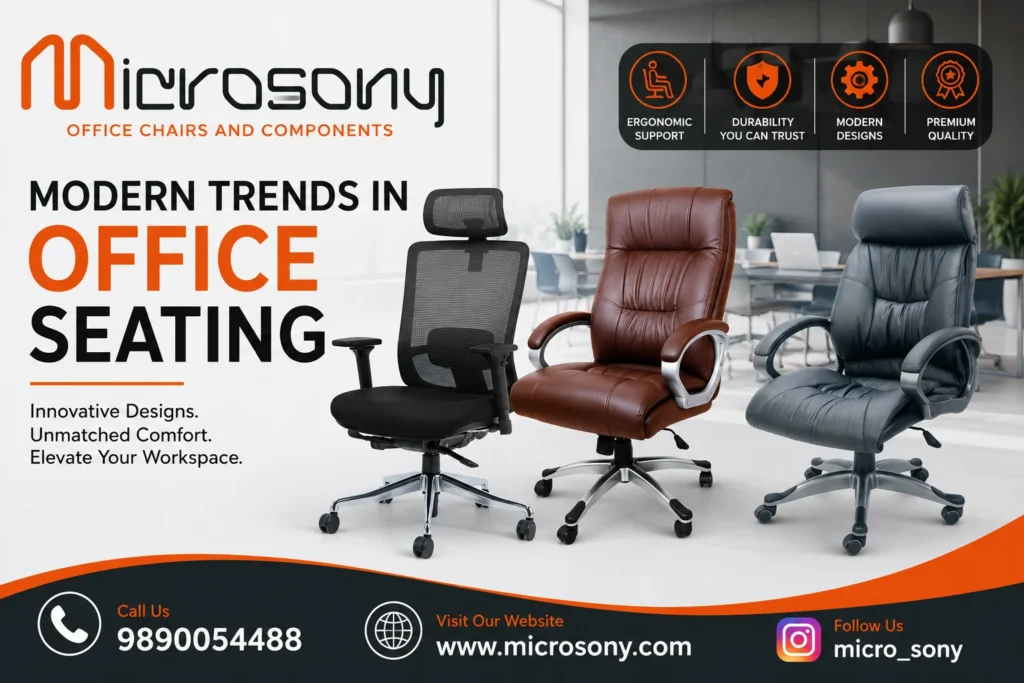
The latest trends are shaping the future of workplace seating design.
Eco-Friendly Materials
Sustainable and recyclable components are increasingly used.
Smart Ergonomic Systems
Sensors that track posture and sitting habits.
Minimal Design Style
Clean, simple, and modern aesthetics.
Hybrid Seating Models
Combining luxury, comfort, and functionality.
Customizable Features
Personalized adjustments for individual users.
Future Trends in Office Seating Designs
The future of office chairs designs is moving toward smarter, more ergonomic, and sustainability-focused innovations. Modern workplaces are increasingly adopting seating solutions that combine technology with comfort to improve employee health and productivity. Features like posture correction systems, adjustable smart sensors, and AI-based ergonomic adjustments are becoming more common in premium office furniture. These advancements help users maintain better sitting habits and reduce long-term strain on the body.
At the same time, eco-friendly materials are gaining popularity in new office chairs designs, with manufacturers using recycled metals, sustainable wood, and environmentally safe upholstery fabrics. Minimalist and space-saving designs are also trending, especially in modern offices and co-working spaces where flexibility is important. Customizable seating options that allow users to adjust height, tilt, lumbar support, and armrests are also becoming standard.
Overall, future office chairs designs will focus on combining comfort, technology, and sustainability to create healthier and more efficient work environments.
Maintenance Tips for Office Seating
Proper care and regular maintenance are essential to ensure the long life, comfort, and performance of modern office furniture. High-quality office chairs designs are built for durability, but without proper upkeep, even the best seating solutions can lose their comfort, appearance, and structural strength over time. Maintaining office seating not only extends its lifespan but also helps preserve its ergonomic benefits and professional look.
One of the most important steps in maintaining office chairs designs is regular cleaning. Dust, dirt, and everyday particles can accumulate on the surface and affect both hygiene and appearance. Cleaning the chair frequently helps maintain a fresh and professional workspace environment. It is important to use appropriate cleaning methods depending on the material—fabric, leather, or mesh—to avoid damage and ensure long-term usability.
Using the right cleaning products for upholstery is equally important. Harsh chemicals can weaken materials and reduce the quality of the chair over time. Instead, mild cleaners and recommended upholstery solutions should be used to preserve the texture, color, and comfort of modern office chairs designs. Proper cleaning not only enhances appearance but also improves overall hygiene in the workspace.
Another key maintenance practice is tightening screws and checking structural parts periodically. With daily usage, small fittings in office seating can become loose, affecting stability and safety. Regular inspection ensures that office chairs designs remain secure, stable, and comfortable during long working hours.
It is also important to avoid excessive weight load on office chairs. Every chair is designed with a specific weight capacity, and exceeding this limit can damage the frame, wheels, or hydraulic system. Following manufacturer guidelines helps maintain the durability of office seating and ensures consistent performance.
Additionally, keeping office chairs away from direct sunlight is essential. Prolonged exposure to sunlight can cause fading, material weakening, and reduced lifespan, especially in leather and fabric-based office chairs designs. Placing chairs in shaded or controlled indoor environments helps maintain their original color and quality for a longer time.
By following these simple maintenance tips, businesses and individuals can ensure that their office seating remains comfortable, durable, and visually appealing, supporting both productivity and workplace aesthetics for years to come.
Conclusion
Modern office seating plays a crucial role in creating productive, comfortable, and visually appealing work environments. Well-planned office chairs designs are not just about style; they directly impact employee health, posture, and overall workplace efficiency. A good seating solution helps reduce fatigue, supports proper spinal alignment, and enhances focus during long working hours.
In today’s evolving work culture, organizations and individuals increasingly prioritize ergonomic and stylish office chairs designs that balance comfort with functionality. Whether in corporate offices, startups, or home workspaces, the right chair contributes to a more organized and professional atmosphere.
Choosing high-quality seating is a long-term investment in comfort, productivity, and well-being. A thoughtfully designed chair not only improves daily work performance but also enhances employee satisfaction and overall office aesthetics, making it an essential part of any modern workspace.
Frequently Asked Questions (FAQs) on Office Chairs Designs
1. What are office chairs designs?
Office chairs designs refer to the different styles, structures, and ergonomic features used in modern office seating. These designs focus on improving comfort, posture, and productivity while also enhancing workplace aesthetics. They include ergonomic chairs, executive chairs, mesh chairs, task chairs, and visitor seating, each designed for specific office needs and usage patterns.
2. Why are office chairs designs important in the workplace?
Good office chairs designs are important because they directly affect employee health, comfort, and productivity. Poor seating can lead to back pain, fatigue, and lack of focus, while well-designed chairs support proper posture and long working hours. They also improve the overall appearance of the office, creating a more professional and organized environment.
3. What are the most popular types of office chairs designs?
The most popular office chairs designs include ergonomic chairs, executive chairs, mesh chairs, task chairs, and visitor chairs. Ergonomic chairs are ideal for long working hours, executive chairs are used in managerial cabins, mesh chairs provide breathability, and task chairs are commonly used at workstations.
4. Which materials are commonly used in office chairs designs?
Common materials used in office chairs designs include fabric, leather, mesh, metal, and plastic. Fabric offers comfort and affordability, leather provides a premium look, mesh ensures breathability, metal adds strength, and plastic components reduce overall weight and cost.
5. How do office chairs designs improve productivity?
Comfortable office chairs designs improve productivity by reducing physical strain and fatigue. When employees sit comfortably, they can focus better on their tasks without distractions caused by discomfort or pain. Proper ergonomic support also helps maintain energy levels throughout the workday.
6. Are ergonomic office chairs designs better than regular chairs?
Yes, ergonomic office chairs designs are better than regular chairs because they are specifically built to support the human body. They include features like lumbar support, adjustable height, armrests, and reclining functions, which help maintain proper posture and reduce the risk of long-term health issues.
7. How do I choose the best office chairs designs for my workspace?
To choose the best office chairs designs, consider factors such as comfort, adjustability, material quality, durability, and office space requirements. It is also important to match the chair design with your office interior for a professional look. Always prioritize ergonomic features for long-term use.
8. What is the lifespan of modern office chairs designs?
The lifespan of office chairs designs depends on material quality and usage. High-quality chairs can last between 5 to 10 years with proper maintenance. Regular cleaning, tightening of parts, and careful usage can significantly extend their durability and performance.
9. How can I maintain office chairs designs properly?
Proper maintenance of office chairs designs includes regular cleaning, using suitable upholstery cleaners, avoiding excessive weight, tightening screws, and keeping the chair away from direct sunlight. These steps help preserve comfort, appearance, and structural strength over time.
10. What are future trends in office chairs designs?
Future office chairs designs will focus on smart ergonomics, sustainability, and customization. Features like posture sensors, AI-based adjustments, eco-friendly materials, and highly adjustable components are becoming more common. These innovations aim to improve comfort, health, and productivity in modern workplaces.