
Table of Contents
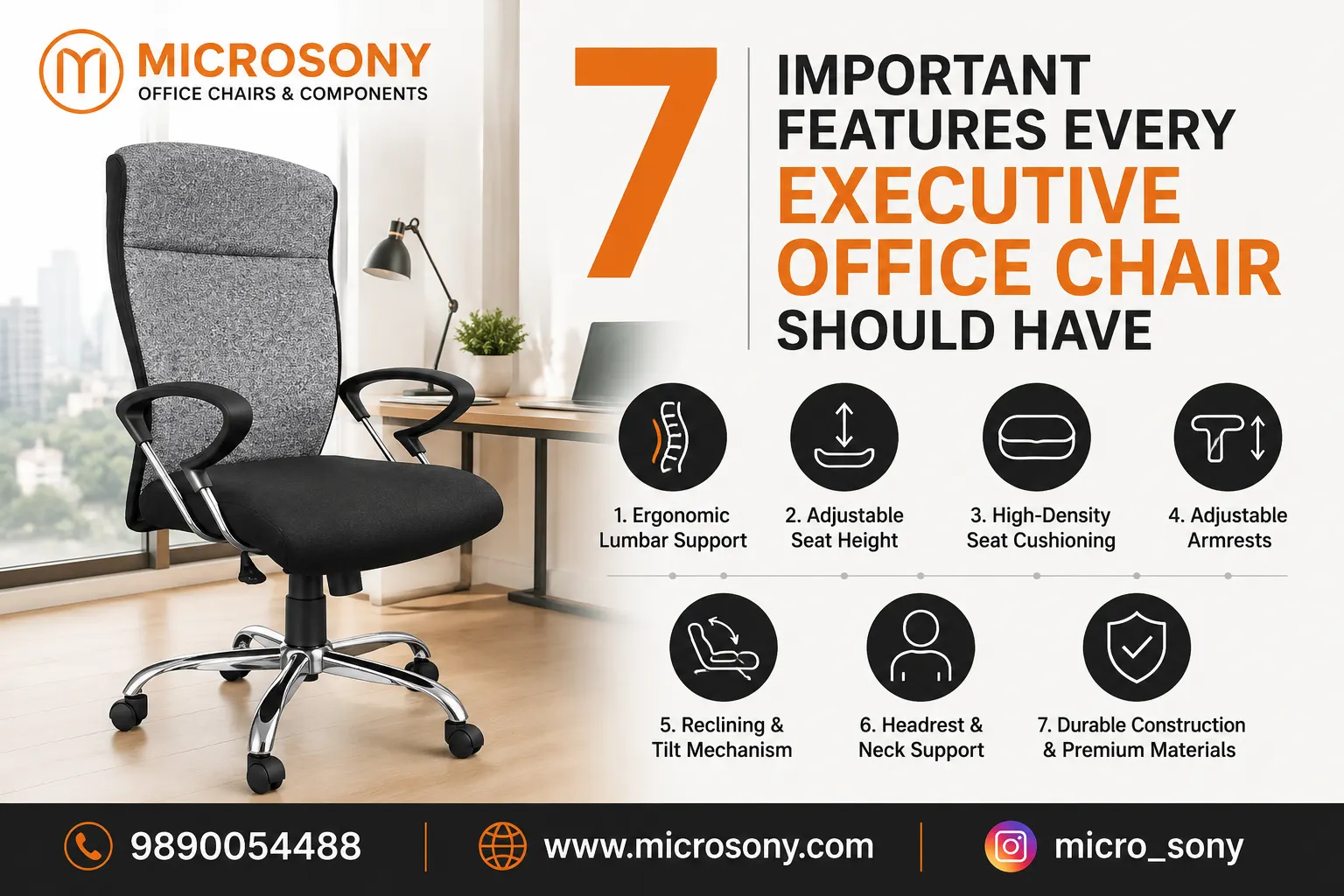
7 Important Features Every Executive Office Chair Should Have
Introduction
In today’s professional business environment, office furniture is no longer just about appearance. Comfort, functionality, productivity, and employee well-being have become equally important factors when selecting office seating. Among all workplace furniture, the executive office chair holds a special position because it is designed for professionals who spend long hours managing operations, attending meetings, making decisions, and leading teams.
An executive office chair is more than a standard office seat. It represents professionalism, authority, and comfort while providing the support required for long working hours. Whether it is used in executive cabins, director offices, conference rooms, or premium workspaces, the right chair can significantly improve posture, reduce physical strain, and enhance overall productivity.
Many professionals underestimate the importance of selecting a quality executive office chair. However, sitting for extended periods in an uncomfortable chair can lead to back pain, neck stiffness, fatigue, and reduced concentration. Investing in a chair that offers proper ergonomic support and premium comfort helps create a healthier and more productive work environment.
At Microsony, we understand that modern executives require seating solutions that combine comfort, durability, style, and functionality. Choosing the right executive office chair involves understanding the key features that contribute to long-term comfort and professional performance.
This guide explores the seven most important features every executive office chair should have in 2026.
1. Ergonomic Lumbar Support
One of the most important features of any executive office chair is proper ergonomic lumbar support. The lumbar region, located in the lower back, naturally curves inward and plays a crucial role in supporting the upper body. Maintaining this natural spinal curve while sitting is essential for long-term spinal health, comfort, and overall workplace productivity. Since executives and professionals often spend several hours at their desks every day, proper lumbar support becomes a critical factor in preventing discomfort and posture-related issues.
Without adequate lower back support, users tend to slouch or lean forward unconsciously, placing excessive pressure on the spine and surrounding muscles. Over time, this poor posture can lead to lower back pain, muscle fatigue, stiffness, and reduced focus during work. In severe cases, prolonged sitting without proper support may contribute to chronic spinal problems that affect both personal well-being and professional performance.
An executive office chair with ergonomic lumbar support helps:
- Maintain proper spinal alignment
- Reduce pressure on the lower back
- Prevent slouching and poor posture
- Improve overall sitting comfort
- Minimize long-term back and muscle problems
- Support healthy posture during extended work hours
Modern executive chairs often feature adjustable lumbar support systems that allow users to customize the level and position of support according to their body shape and personal preferences. This adaptability ensures that the chair provides targeted support exactly where it is needed, improving comfort throughout the day.
For professionals who spend eight to ten hours working, attending meetings, or managing business operations, ergonomic lumbar support is far more than a premium feature. It is a necessity that promotes better posture, reduces physical strain, and enhances overall productivity. Investing in an executive office chair with proper lumbar support can significantly improve daily comfort while contributing to long-term spinal health and workplace efficiency.
2. Adjustable Seat Height
Every individual has a unique body structure, desk height, and personal seating preference. This is why adjustable seat height is one of the most essential features of a high-quality executive office chair. A chair that cannot be adjusted properly may force users into uncomfortable sitting positions, leading to poor posture and physical discomfort during long working hours.
A properly adjusted executive office chair allows users to maintain an ergonomic seating position with:
- Feet flat on the floor
- Knees positioned at approximately a 90-degree angle
- Hips properly aligned with the spine
- Balanced body posture
- Reduced pressure on the thighs and lower back
When a chair is too high, the feet may not rest comfortably on the ground, causing pressure on the thighs and restricting blood circulation. On the other hand, when a chair is too low, the knees are forced into an awkward position, increasing strain on the hips, lower back, and leg muscles. Over time, these improper sitting positions can lead to discomfort, fatigue, and reduced productivity.
An adjustable seat height feature allows users to customize the chair according to their workstation setup and physical requirements. This flexibility helps create a healthier sitting posture that supports the body’s natural alignment throughout the workday. Proper seat height also improves circulation, reduces muscle tension, and minimizes the risk of developing posture-related issues.
Most modern executive office chairs are equipped with advanced gas-lift mechanisms that make height adjustments smooth, quick, and effortless. Users can easily raise or lower the chair with a simple lever, ensuring maximum convenience and comfort. For professionals who spend several hours at their desks each day, adjustable seat height is not just a useful feature—it is a key element in achieving long-term comfort, better posture, and improved workplace performance.
3. High-Density Seat Cushioning
Comfort plays a critical role in workplace productivity, especially for executives and professionals who spend long hours sitting at their desks. Even the most advanced office chair can become uncomfortable if it lacks proper seat cushioning. A poorly cushioned seat often creates discomfort within a few hours, leading to fatigue, reduced concentration, and unnecessary strain on the body. This is why high-density seat cushioning is considered one of the most important features of a premium executive office chair.
A quality executive office chair should be equipped with high-density foam cushioning specifically designed for extended daily use. Unlike standard foam that may flatten or lose its shape over time, high-density cushioning provides consistent support and comfort throughout the day. It helps distribute body weight evenly across the seating surface, reducing pressure on sensitive areas such as the hips, thighs, and lower back.
Benefits of quality cushioning include:
- Better weight distribution
- Reduced pressure points
- Improved sitting comfort
- Enhanced blood circulation
- Reduced fatigue during long working hours
- Long-lasting seat performance
One of the biggest advantages of high-density foam is its durability. It retains its original shape and supportive properties for a much longer period compared to ordinary cushioning materials. This ensures that the chair continues to provide the same level of comfort and support even after years of regular use.
For executives, managers, and business professionals who spend several hours handling meetings, strategic planning, and daily operations, comfortable seating directly impacts focus, productivity, and overall work performance. When users are free from discomfort and constant repositioning, they can concentrate better on important tasks and make more effective decisions. Investing in an executive office chair with premium high-density seat cushioning is therefore essential for creating a comfortable, productive, and professional work environment.
4. Adjustable Armrests
Many professionals focus primarily on back support and seat comfort when selecting an executive office chair, often overlooking the importance of armrests. However, properly designed armrests play a crucial role in maintaining a comfortable and healthy sitting posture throughout the workday. Since office work typically involves extended hours of typing, mouse usage, writing, and attending virtual meetings, the arms and shoulders require adequate support to prevent unnecessary strain and fatigue.
Adjustable armrests are designed to support the arms in a natural position while reducing stress on the shoulders, neck, and upper back muscles. Without proper arm support, users often raise their shoulders unconsciously or place excessive pressure on their wrists and elbows, which can lead to discomfort and muscle tension over time. A well-designed executive office chair allows users to customize armrest height and positioning according to their body structure and workstation setup.
Benefits of adjustable armrests include:
- Reduced shoulder strain
- Better arm positioning
- Improved neck comfort
- Enhanced typing posture
- Reduced upper-back fatigue
- Better wrist and elbow support
- Increased comfort during long working hours
When armrests are adjusted correctly, the shoulders remain relaxed, the elbows stay close to the body, and the wrists maintain a natural angle while working on a computer. This helps reduce muscle stress and encourages a more ergonomic working posture. Proper arm support also minimizes fatigue during extended periods of typing, making daily tasks more comfortable and efficient.
Although adjustable armrests may seem like a small feature, they can make a significant difference in overall workplace comfort. For executives, managers, and professionals who spend several hours each day using keyboards, laptops, and desktop systems, this feature contributes greatly to posture improvement, reduced physical strain, and enhanced productivity. A quality executive office chair should always include adjustable armrests to provide complete ergonomic support for the upper body.
5. Reclining and Tilt Mechanism
Sitting in the same position for several hours can place continuous pressure on the spine, lower back, and surrounding muscles. Over time, this lack of movement often leads to stiffness, discomfort, fatigue, and reduced productivity. This is why a reclining and tilt mechanism is considered an essential feature in a premium executive office chair. It allows users to adjust their seating position throughout the day, promoting better comfort and supporting natural body movement.
A high-quality executive office chair should include a smooth reclining function that enables users to lean back comfortably while maintaining proper support for the back and neck. Changing positions periodically helps reduce stress on the spine and prevents the muscles from becoming strained due to prolonged sitting. This feature is particularly beneficial for executives and professionals who spend long hours at their desks attending meetings, reviewing reports, or managing daily operations.
Key advantages of a reclining and tilt mechanism include:
- Reduced spinal pressure
- Improved flexibility and movement
- Better blood circulation
- Increased sitting comfort
- Lower fatigue levels
- Reduced muscle tension
- Enhanced workplace productivity
Modern executive office chairs often feature synchronized tilt systems that allow the seat and backrest to move together naturally. This ensures that users remain properly supported even while reclining. Some advanced models also include tilt-lock functions, allowing users to select and maintain their preferred seating angle for maximum comfort.
The ability to recline occasionally during the workday helps relieve tension in the back, shoulders, and neck while encouraging healthy posture changes. Instead of remaining in a fixed position for hours, users can move more freely and comfortably, reducing physical strain and improving overall well-being. For professionals who spend significant time seated, a reclining and tilt mechanism is not just a comfort feature—it is an important component of a truly ergonomic and productive executive office chair.
6. Headrest and Neck Support
Executives frequently spend long hours attending meetings, reviewing reports, participating in video conferences, and working on computers. These activities often require maintaining the same sitting position for extended periods, which can place considerable strain on the neck, shoulders, and upper spine. Without proper support, professionals may experience neck stiffness, muscle tension, headaches, and overall discomfort that can negatively impact productivity and concentration throughout the day.
This is why a high-quality executive office chair should include a well-designed headrest and neck support system. A supportive headrest helps keep the head, neck, and upper spine properly aligned while sitting, reducing the pressure placed on surrounding muscles. By supporting the natural posture of the upper body, it allows users to work more comfortably for longer periods without experiencing excessive strain.
A quality headrest is designed to:
- Support the neck naturally
- Reduce upper spine stress
- Improve overall sitting posture
- Minimize neck stiffness and discomfort
- Increase comfort during extended sitting sessions
- Reduce muscle fatigue in the shoulders and upper back
- Enhance focus and workplace productivity
Modern executive office chairs often feature adjustable headrests that can be moved up, down, or angled according to individual height and comfort preferences. This flexibility allows users to customize the level of support they receive, ensuring optimal neck alignment throughout the workday. Adjustable headrests are particularly beneficial in workplaces where multiple users may utilize the same chair.
For executives and professionals who spend most of their day seated, headrest and neck support are more than just comfort features—they are important ergonomic elements that contribute to long-term spinal health and workplace efficiency. A properly supported neck reduces fatigue, encourages better posture, and helps create a more comfortable working environment. When combined with other ergonomic features, a supportive headrest makes an executive office chair a complete seating solution for modern professional spaces.
7. Durable Construction and Premium Materials
An executive office chair is more than just a piece of office furniture—it is a long-term investment in comfort, productivity, and professional workspace quality. Since executive chairs are used extensively every day, durability should always be one of the most important factors when making a purchase decision. A well-constructed chair not only provides consistent comfort and support but also maintains its functionality and appearance for many years.
High-quality construction ensures that an executive office chair can withstand daily use, frequent movement, and continuous weight shifts without losing stability or performance. Poor-quality chairs may begin to show signs of wear within a short period, leading to reduced comfort, mechanical issues, and additional replacement costs. Choosing a chair built with premium materials helps ensure long-lasting reliability and better value over time.
Important durability features include:
- Strong and stable chair base
- Reliable gas lift system
- Smooth and durable wheels
- Premium upholstery materials
- Heavy-duty frame construction
- High-quality cushioning that retains its shape
- Long-lasting mechanical components
The chair base is responsible for providing stability and supporting the user’s weight, making it one of the most critical structural elements. Similarly, a durable gas lift mechanism ensures smooth height adjustments throughout years of use. Premium wheels allow effortless movement across different floor surfaces while minimizing wear and tear.
High-quality upholstery materials such as premium fabric, mesh, or leather not only improve durability but also enhance the overall appearance of executive cabins and professional office environments. Combined with a heavy-duty frame and superior craftsmanship, these materials help maintain the chair’s aesthetic appeal even after prolonged use.
For executives, managers, and business owners, a durable executive office chair offers more than longevity—it provides consistent comfort, dependable performance, and a professional image. Investing in premium construction and quality materials ensures that the chair continues to support productivity and workplace comfort while delivering excellent value for years to come.
Why Businesses Are Investing More in Executive Office Chairs
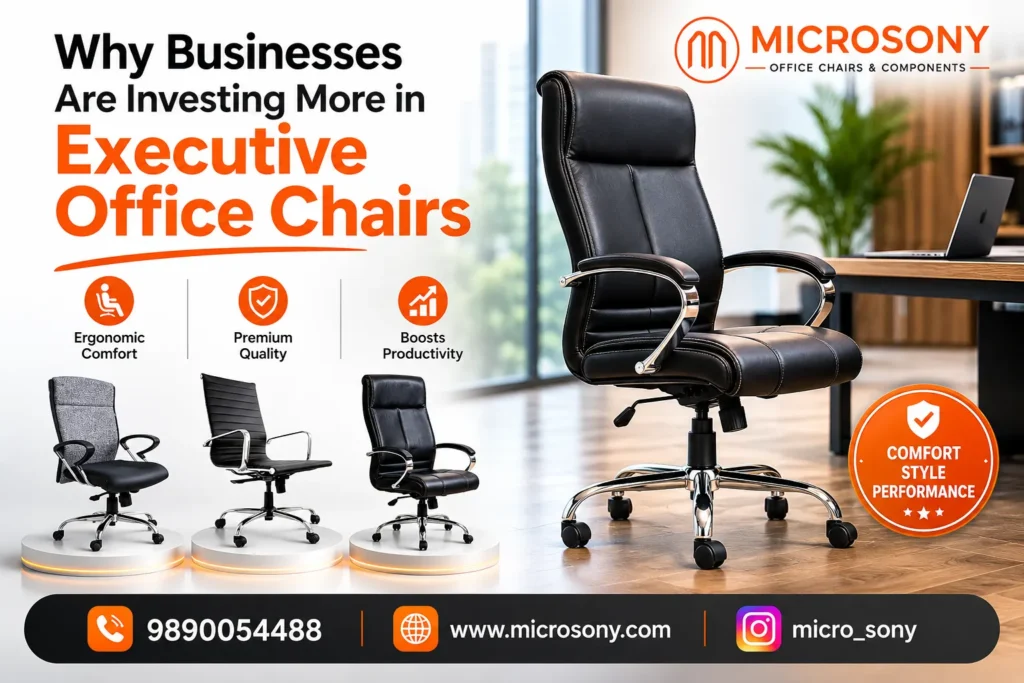
Workplace expectations have evolved significantly. Businesses now recognize the connection between employee comfort and organizational performance.
Executive seating plays an important role in:
- Workplace wellness
- Productivity improvement
- Professional office appearance
- Leadership comfort
- Long-term employee satisfaction
A high-quality executive office chair supports both health and performance while creating a positive impression in professional environments.
Companies increasingly view premium seating as an investment rather than an expense.
Why Microsony Executive Office Chairs Stand Out
At Microsony, executive office chairs are designed to meet the demands of modern workplaces. Our seating solutions combine ergonomic support, premium comfort, professional styling, and durable construction.
Microsony executive office chairs are ideal for:
- Executive cabins
- Director offices
- Corporate workspaces
- Business owners
- Leadership environments
- Premium office interiors
Every chair is designed to support long working hours while maintaining comfort, posture, and productivity.
Why Choose Microsony?
- Ergonomic comfort
- Professional design
- Durable performance
- Executive styling
- Bulk office supply solutions
- Trusted office seating expertise
Website: www.microsony.com
Contact: 9890054488
Instagram: @micro_sony
Conclusion
Choosing the right executive office chair is one of the most important decisions for creating a productive and comfortable workspace. The best executive office chair should provide ergonomic lumbar support, adjustable height, premium cushioning, armrest functionality, reclining capability, headrest support, and long-lasting durability.
These seven features work together to improve posture, reduce fatigue, increase productivity, and support overall workplace well-being. Whether you are furnishing an executive cabin, upgrading an office, or investing in professional seating for leadership teams, selecting a quality executive office chair delivers long-term benefits.
As businesses continue prioritizing comfort and workplace performance in 2026, executive seating remains a key component of modern office design. Investing in a premium executive office chair is not just about appearance—it is about creating a healthier, more efficient, and more professional work environment.
Frequently Asked Questions (FAQs)
1. Why is an executive office chair important for professionals?
An executive office chair is important because it provides the comfort, support, and functionality needed for long working hours. Executives, managers, and business professionals often spend a significant part of their day attending meetings, reviewing reports, and working on computers. A high-quality executive chair helps maintain proper posture, reduces physical strain, and improves productivity. Features such as lumbar support, adjustable armrests, reclining mechanisms, and premium cushioning contribute to a healthier and more comfortable working environment. Investing in the right chair can also help prevent long-term issues such as back pain, neck stiffness, and muscle fatigue.
2. What features should I look for when buying an executive office chair?
When purchasing an executive office chair, it is important to consider features that enhance comfort and durability. Key features include ergonomic lumbar support, adjustable seat height, high-density cushioning, adjustable armrests, reclining and tilt mechanisms, headrest support, and a sturdy frame. Premium upholstery materials and durable wheels are also essential for long-term performance. Choosing a chair with these features ensures better posture, improved comfort, and a more productive work experience throughout the day.
3. How does an executive office chair improve workplace productivity?
A comfortable seating environment directly affects employee performance and productivity. An executive office chair reduces physical discomfort, allowing users to focus on their tasks without distractions caused by back pain or fatigue. Proper ergonomic support helps maintain good posture and improves blood circulation, which contributes to better concentration and energy levels. When professionals feel comfortable during long working hours, they can work more efficiently, make better decisions, and remain productive throughout the day.
4. Are executive office chairs suitable for work-from-home setups?
Yes, an executive office chair is an excellent choice for home offices, especially for professionals who work remotely for extended hours. Many home workspaces lack proper seating, which can lead to posture problems and discomfort. Executive chairs provide superior support, adjustable features, and premium comfort, making them ideal for maintaining productivity while working from home. They also add a professional look to home office environments and help create a more organized and comfortable workspace.
5. How long does a quality executive office chair typically last?
The lifespan of an executive office chair depends on its construction quality, materials, and usage. A well-built chair made with premium materials, a durable frame, and high-quality components can last for many years with proper care and maintenance. Features such as strong bases, reliable gas lifts, durable wheels, and quality upholstery contribute to long-term performance. Investing in a premium executive office chair often results in better value over time because it maintains comfort, functionality, and appearance for an extended period.