
Table of Contents
Introduction
Waiting Chairs play a crucial role in creating a positive first impression in commercial and public spaces. Whether placed in office reception areas, hospitals, clinics, educational institutions, banks, airports, hotels, or government facilities, these seating solutions significantly influence visitor comfort and overall experience. When guests, customers, patients, or clients enter a facility, the waiting area is often the first space they interact with. Comfortable and well-designed seating helps create a welcoming environment while reflecting professionalism and attention to visitor satisfaction.
In today’s competitive business environment, organizations understand that every aspect of customer experience matters. While businesses often focus on service quality and interior design, the importance of comfortable seating should not be overlooked. High-quality Waiting Chairs help reduce discomfort during waiting periods, improve visitor satisfaction, and contribute to a more organized and aesthetically appealing environment. They are designed to accommodate various users while providing the durability needed for high-traffic areas.
Modern waiting area furniture has evolved significantly over the years. Manufacturers now offer a wide range of seating options that combine functionality, comfort, durability, and visual appeal. From sleek metal-framed seating units and cushioned upholstered models to modular and ergonomic designs, there are solutions available for every industry and interior style. The right seating choice can enhance the appearance of a reception area while ensuring guests remain comfortable during their wait.
Choosing the ideal seating solution involves evaluating several factors, including material quality, seating capacity, maintenance requirements, comfort level, space availability, and overall design. This comprehensive guide explores everything you need to know about Waiting Chairs, including their benefits, types, materials, applications, maintenance tips, and essential buying considerations for 2026.
What Are Waiting Chairs?
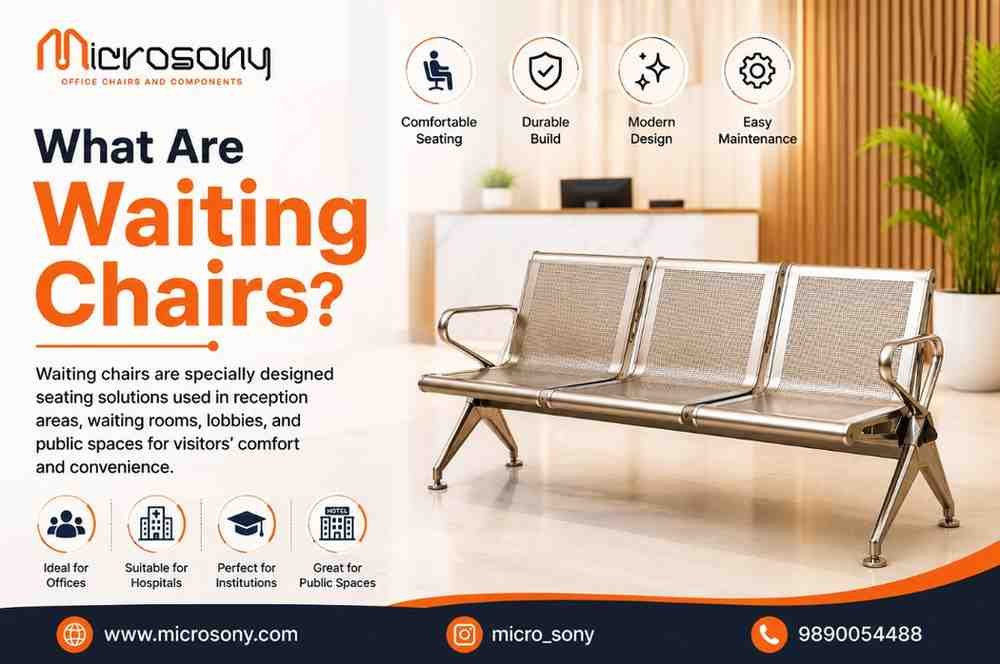
Waiting Chairs are seating solutions specifically designed for reception areas, waiting rooms, lobbies, visitor lounges, and public spaces where individuals may need to remain seated for short or extended periods. Unlike standard office seating, these chairs are designed to accommodate multiple users throughout the day while maintaining durability, comfort, and visual appeal.
They are commonly found in:
- Corporate offices
- Hospitals and clinics
- Educational institutions
- Banks and financial organizations
- Government offices
- Hotels and hospitality venues
- Airports and transportation terminals
- Customer service centers
Their primary purpose is to provide comfortable and organized seating while maximizing space efficiency.
Why Waiting Chairs Are Important
The importance of Waiting Chairs extends beyond basic functionality. They contribute significantly to visitor comfort, brand perception, and facility management.
Enhanced Visitor Experience
Comfortable seating helps reduce frustration and discomfort during waiting periods.
Professional Appearance
Modern seating solutions create a positive impression and improve the overall appearance of reception areas.
Better Space Organization
Proper seating arrangements help maintain order and improve traffic flow.
Increased Comfort
Quality seating provides adequate support and promotes relaxation.
Long-Term Durability
Commercial-grade seating withstands heavy daily usage while maintaining performance.
Types of Guest chairs
Different environments require different seating solutions. Understanding the available options helps organizations make informed purchasing decisions.
Single Waiting Chairs
These individual seating units are ideal for small reception areas and executive visitor spaces.
Benefits
- Flexible arrangement
- Easy movement
- Suitable for limited spaces
Linked Seating Systems
These units feature multiple connected seats mounted on a shared frame.
Benefits
- Space-efficient
- Ideal for high-traffic areas
- Easy maintenance
Commonly used in airports, hospitals, and government offices.
Upholstered Waiting Chairs
These models include padded seats and backrests for enhanced comfort.
Benefits
- Improved visitor comfort
- Premium appearance
- Suitable for executive environments
Metal Waiting Chairs
Constructed using durable steel or aluminum frames.
Benefits
- Exceptional durability
- Easy cleaning
- Modern aesthetics
Modular Seating Systems
Modular configurations allow customized layouts according to available space.
Benefits
- Flexible arrangement
- Modern design
- Scalability
Materials Used in Guest chairs
Material selection directly impacts comfort, maintenance, durability, and appearance.
Metal Frames
Metal remains one of the most popular materials for commercial seating.
Advantages
- High strength
- Long lifespan
- Corrosion resistance
Fabric Upholstery
Fabric-covered seating provides softness and visual warmth.
Advantages
- Comfortable seating
- Variety of colors and textures
- Cost-effective
Leather and Leatherette
Premium waiting areas often use leather or leatherette upholstery.
Advantages
- Elegant appearance
- Easy maintenance
- Professional look
Plastic Components
High-quality plastic seating is commonly used in public facilities.
Advantages
- Lightweight
- Affordable
- Easy cleaning
Mesh Materials
Mesh seating improves airflow and comfort.
Advantages
- Breathability
- Modern appearance
- Reduced heat buildup
Key Features to Consider Before Buying Guest chairs
Selecting the right Waiting Chairs requires careful evaluation of several important factors to ensure long-term comfort, durability, and functionality. Since waiting areas are often the first point of contact for visitors, customers, patients, or clients, the seating should create a positive impression while providing a comfortable experience. Whether for offices, hospitals, clinics, educational institutions, or commercial spaces, choosing the right seating solution can significantly improve visitor satisfaction and enhance the overall appearance of the facility.
Comfort
Comfort should be a top priority, especially in environments where visitors may spend extended periods waiting. Well-designed Waiting Chairs help reduce discomfort and provide adequate support for users of different ages and body types. Features such as proper back support, comfortable seat depth, ergonomic design, and quality cushioning contribute to a more pleasant seating experience. Comfortable seating not only improves visitor satisfaction but also reflects an organization’s commitment to customer care.
Durability
Commercial seating is subjected to continuous daily use, making durability an essential consideration. High-quality Waiting Chairs should be constructed using strong frames, premium materials, and reinforced joints that can withstand heavy traffic without compromising performance. Durable seating reduces maintenance costs and ensures a longer service life.
Maintenance Requirements
Easy-to-clean surfaces are particularly important in high-traffic areas. Materials that resist stains, dust, and wear help maintain cleanliness while reducing maintenance efforts and costs.
Space Efficiency and Aesthetic Appeal
The ideal Waiting Chairs should maximize available space without creating overcrowding. In addition, the design, color, and finish should complement the overall interior décor, helping create a welcoming, organized, and professional environment.
Waiting Chairs for Offices
Corporate offices require Waiting Chairs that effectively balance professionalism, comfort, durability, and visual appeal. Since reception areas are often the first point of interaction between a business and its clients, visitors, job applicants, and business partners, selecting the right Waiting Chairs is an important aspect of workplace design. Comfortable and stylish seating not only enhances the visitor experience but also reflects the company’s commitment to quality and professionalism.
Modern Waiting Chairs for office environments are designed to provide both functionality and aesthetic value. They should offer adequate back support, comfortable seating surfaces, durable construction, and a design that complements the office interior. Whether placed in reception areas, visitor lounges, meeting room waiting zones, or executive office entrances, high-quality Waiting Chairs help create a welcoming and organized atmosphere.
Businesses often choose Waiting Chairs with durable metal frames, premium upholstery, and ergonomic features to ensure long-lasting performance in high-traffic environments. In addition to comfort and durability, the appearance of the seating should align with the organization’s branding and office décor. Sleek contemporary designs, neutral color schemes, and professional finishes contribute to a polished and sophisticated workspace.
Waiting Chairs for Hospitals and Clinics
Healthcare facilities require Waiting Chairs that prioritize hygiene, durability, patient comfort, and accessibility. Hospitals, clinics, diagnostic centers, and healthcare institutions often experience a continuous flow of patients and visitors throughout the day, making the selection of high-quality Waiting Chairs essential for creating a comfortable and organized environment. Since patients may spend extended periods in waiting areas, comfortable seating plays a significant role in improving their overall experience and reducing stress during medical visits.
When selecting Waiting Chairs for healthcare environments, several important factors should be considered:
- Easy sanitization and cleaning
- Durable and long-lasting materials
- Comfortable seating support
- Accessibility for elderly and differently-abled individuals
- Space-efficient design for busy waiting areas
One of the most critical requirements for healthcare Waiting Chairs is hygiene. Chairs should be made from materials that can be cleaned and disinfected regularly without damage. Metal frames, antimicrobial surfaces, and stain-resistant upholstery are popular choices because they support infection control and maintain cleanliness in high-traffic areas.
Durability is another important consideration. Hospital and clinic Waiting Chairs are used continuously by patients, family members, and visitors, requiring strong construction that can withstand heavy daily usage. High-quality materials and reinforced structures help ensure long-term reliability while minimizing maintenance costs.tial.
Guest chairs for Educational Institutions
Educational institutions such as schools, colleges, universities, training centers, and coaching institutes require Waiting Chairs that provide a balance of comfort, durability, functionality, and affordability. These institutions frequently use Waiting Chairs in administrative offices, admission departments, libraries, student counseling centers, reception areas, examination halls, and visitor lounges. Since these spaces often accommodate a large number of students, parents, faculty members, and visitors, selecting the right seating solution is essential for maintaining a comfortable and organized environment.
When choosing Waiting Chairs for educational institutions, several important features should be considered:
- Cost-effectiveness for large-scale installations
- Easy maintenance and cleaning
- Long-term durability for daily use
- Comfortable and ergonomic design
- Space-efficient layouts
- Strong and reliable construction
One of the primary advantages of investing in high-quality Waiting Chairs is their ability to withstand heavy daily usage. Educational facilities experience continuous foot traffic throughout the year, making durability a key requirement. Chairs made from robust materials such as metal, reinforced plastic, or quality upholstery can provide long-lasting performance while minimizing replacement costs.
Easy maintenance is another important factor. Educational institutions often need Waiting Chairs that can be cleaned quickly and efficiently to maintain a neat and professional appearance. Stain-resistant and low-maintenance materials help reduce upkeep efforts and operational expenses.
Guest chairs for Hotels and Hospitality Spaces
Hospitality venues prioritize style and guest comfort.
Luxury seating contributes to:
- Enhanced guest experience
- Elegant interiors
- Positive brand perception
Premium upholstery and modern designs are often preferred.
How Waiting Chairs Improve Interior Design
Furniture plays a significant role in shaping the appearance and atmosphere of commercial spaces.
Modern Waiting Chairs help create:
- Organized reception areas
- Professional interiors
- Welcoming environments
- Comfortable visitor spaces
- Contemporary aesthetics
The right seating solution balances functionality with design.
Benefits of Investing in High-Quality Waiting Chairs
Organizations that invest in quality seating often experience long-term advantages.
Improved Visitor Satisfaction
Comfortable seating enhances customer experience.
Reduced Replacement Costs
Durable furniture lasts longer and requires fewer replacements.
Better Brand Image
Professional interiors positively influence visitor perception.
Enhanced Operational Efficiency
Well-organized waiting areas improve traffic flow and space utilization.
Maintenance Tips for Waiting Chairs
Proper maintenance extends the lifespan and appearance of seating furniture.
Recommended practices include:
- Regular cleaning
- Immediate stain removal
- Tightening screws periodically
- Inspecting structural components
- Using appropriate cleaning products
- Avoiding excessive weight loads
Routine maintenance preserves comfort and functionality.
Future Trends in Waiting Chairs
Furniture design continues evolving to meet changing user expectations.
Ergonomic Enhancements
Manufacturers increasingly focus on posture support and comfort.
Sustainable Materials
Eco-friendly materials are becoming more popular.
Modular Designs
Flexible seating arrangements continue gaining demand.
Smart Furniture Solutions
Technology integration may improve user experience and facility management.
Minimalist Aesthetics
Clean, modern designs remain a leading trend.
Essential Buying Tips for Guest chairs
Before making a purchase, consider the following:
- Assess available space.
- Determine expected daily usage.
- Select durable materials.
- Prioritize comfort.
- Match furniture with interior design.
- Consider maintenance requirements.
- Evaluate long-term value.
- Check warranty coverage.
- Review seating capacity needs.
- Choose trusted manufacturers and suppliers.
These steps help ensure a successful investment.
Conclusion
Waiting Chairs are an essential component of modern reception areas, waiting rooms, and public spaces. They influence visitor comfort, professional appearance, and overall customer experience. Whether used in offices, hospitals, educational institutions, hotels, or government facilities, the right seating solution helps create welcoming and organized environments.
By considering factors such as comfort, durability, materials, maintenance, and design, organizations can select seating that meets both functional and aesthetic requirements. Investing in high-quality Waiting Chairs not only improves visitor satisfaction but also delivers long-term value through enhanced durability and reduced maintenance costs.
As commercial interiors continue evolving in 2026, comfortable, stylish, and durable waiting area seating will remain an important element of successful facility design and visitor experience management.
Frequently Asked Questions (FAQs) About Guest chairs
1. What are Guest chairs and where are they commonly used?
Waiting Chairs are specially designed seating solutions used in reception areas, waiting rooms, visitor lounges, lobbies, and public spaces where individuals may need to sit while waiting for services, appointments, or meetings. These chairs are commonly found in corporate offices, hospitals, clinics, educational institutions, banks, airports, railway stations, hotels, government offices, and customer service centers.
The primary purpose of Waiting Chairs is to provide comfort and convenience while maintaining an organized seating arrangement. Modern waiting area seating is available in various designs, including single-seat units, linked seating systems, upholstered models, and modular configurations. Organizations choose different types of Waiting Chairs based on their available space, visitor traffic, design preferences, and budget. High-quality waiting area seating helps improve visitor satisfaction while creating a professional and welcoming environment.
2. Why are Guest chairs important for businesses and organizations?
Waiting Chairs play a vital role in creating positive first impressions and improving the overall visitor experience. When customers, clients, patients, students, or guests enter a facility, the waiting area is often their first interaction with the organization. Comfortable and well-maintained seating demonstrates professionalism, attention to detail, and concern for visitor comfort.
High-quality Waiting Chairs also help improve space organization by providing designated seating areas that prevent overcrowding and confusion. In addition, they contribute to the visual appeal of a facility and help reinforce a company’s brand image. Comfortable seating can reduce frustration during waiting periods and create a more positive experience for visitors. For businesses and institutions that regularly receive guests, investing in durable and attractive waiting area seating is an important part of customer service and facility management.
3. What materials are commonly used in Guest chairs?
Modern Waiting Chairs are manufactured using a variety of materials, each offering unique advantages in terms of comfort, durability, maintenance, and appearance. Common materials include metal, plastic, fabric, mesh, leather, and leatherette upholstery.
Metal-framed Waiting Chairs are popular in commercial environments because they provide exceptional strength and long-term durability. Fabric-upholstered seating offers enhanced comfort and a softer appearance, making it suitable for office receptions and hospitality settings. Leather and leatherette options provide a premium and professional look while remaining relatively easy to maintain. Mesh seating is known for its breathability and modern design, while high-quality plastic chairs are lightweight, cost-effective, and easy to clean.
The best material depends on factors such as daily usage, maintenance requirements, budget, and the overall design theme of the facility.
4. How do I choose the right Guest chairs for my reception area?
Selecting the right Waiting Chairs requires evaluating several important factors. First, consider the available space and determine how many seats are needed without overcrowding the area. Comfort should be a priority, especially if visitors are likely to wait for extended periods.
Look for features such as ergonomic back support, adequate seat depth, quality cushioning, and durable construction. Material selection is also important because it affects maintenance requirements and long-term performance. Additionally, choose Waiting Chairs that complement the interior design and branding of the organization.
Other considerations include ease of cleaning, accessibility, weight capacity, and overall durability. By balancing comfort, functionality, and aesthetics, organizations can create a welcoming and efficient waiting environment.
5. Are Guest chairs suitable for hospitals and healthcare facilities?
Yes, Waiting Chairs are widely used in hospitals, clinics, diagnostic centers, and healthcare institutions. Healthcare environments require seating that prioritizes hygiene, durability, accessibility, and patient comfort. Since waiting areas often experience high visitor traffic, chairs must be able to withstand continuous use while remaining easy to sanitize.
Healthcare Waiting Chairs are commonly manufactured using materials that resist stains, moisture, and bacterial growth. Metal frames, antimicrobial surfaces, and easy-to-clean upholstery are popular choices. Comfortable seating helps improve the patient experience by reducing physical discomfort during waiting periods. Properly selected Waiting Chairs contribute to a cleaner, more organized, and patient-friendly healthcare environment.
6. What are the benefits of ergonomic Guest chairs?
Ergonomic Waiting Chairs are designed to provide better support for the body and improve user comfort. Unlike basic seating options, ergonomic models help maintain proper posture and reduce strain on the back, neck, and shoulders.
Benefits include improved comfort during extended waiting periods, reduced physical fatigue, better posture support, and a more positive visitor experience. Ergonomic Waiting Chairs are particularly useful in environments such as hospitals, government offices, educational institutions, and customer service centers where visitors may need to remain seated for longer durations.
Although ergonomic seating may involve a higher initial investment, the improved comfort and enhanced user satisfaction often justify the additional cost.
7. How should Guest chairs be maintained?
Proper maintenance helps extend the lifespan and appearance of Guest chairs. Regular cleaning is essential to remove dust, dirt, and stains. Upholstered surfaces should be cleaned using manufacturer-recommended products, while metal and plastic components can typically be wiped down with mild cleaning solutions.
Facility managers should periodically inspect Waiting Chairs for loose screws, damaged components, or signs of wear. Prompt repairs help prevent minor issues from becoming major problems. In healthcare environments, regular sanitization is especially important for maintaining hygiene standards.
Routine maintenance not only preserves the appearance of waiting area furniture but also improves safety, comfort, and long-term value.
8. What is the ideal seating arrangement for Guest chairs?
The ideal arrangement of Waiting Chairs depends on the size and purpose of the waiting area. Reception spaces should provide adequate seating while maintaining clear pathways for movement. Chairs should be arranged to maximize available floor space without creating congestion.
In smaller offices, individual Waiting Chairs may be sufficient, while larger facilities often benefit from linked seating systems or modular layouts. Healthcare facilities may require seating arrangements that accommodate accessibility needs and social distancing requirements. Educational institutions and public service centers often prioritize high-capacity seating solutions.
A well-planned layout improves visitor flow, enhances comfort, and contributes to a more organized and professional appearance.
9. How long do Guest chairs typically last?
The lifespan of Waiting Chairs depends on factors such as material quality, construction standards, usage frequency, and maintenance practices. High-quality commercial-grade seating can often last between five and ten years or longer when properly maintained.
Metal-framed Waiting Chairs generally offer the longest lifespan due to their strength and durability. Upholstered seating may require occasional repairs or reupholstering depending on usage levels. Regular maintenance, proper cleaning, and prompt repairs can significantly extend the life of waiting area furniture.
Investing in durable Waiting Chairs from reputable manufacturers often results in lower long-term replacement costs and better overall value.
10. What trends are shaping the future of Guest chairs?
The future of Waiting Chairs is being influenced by changing workplace needs, sustainability initiatives, and evolving interior design trends. Manufacturers are increasingly developing seating solutions that combine comfort, durability, and modern aesthetics.
Current trends include ergonomic enhancements, modular seating systems, eco-friendly materials, minimalist designs, and smart furniture technologies. Sustainable materials such as recycled plastics and environmentally responsible upholstery fabrics are becoming more popular as organizations prioritize sustainability.
Additionally, modern Waiting Chairs are being designed to support flexible layouts and improved user experiences. As businesses and institutions continue focusing on visitor comfort and facility design, innovative seating solutions will play an increasingly important role in creating welcoming and efficient waiting environments.